Sewage Cleanup And Backup Removal Built For Dallas County Homes
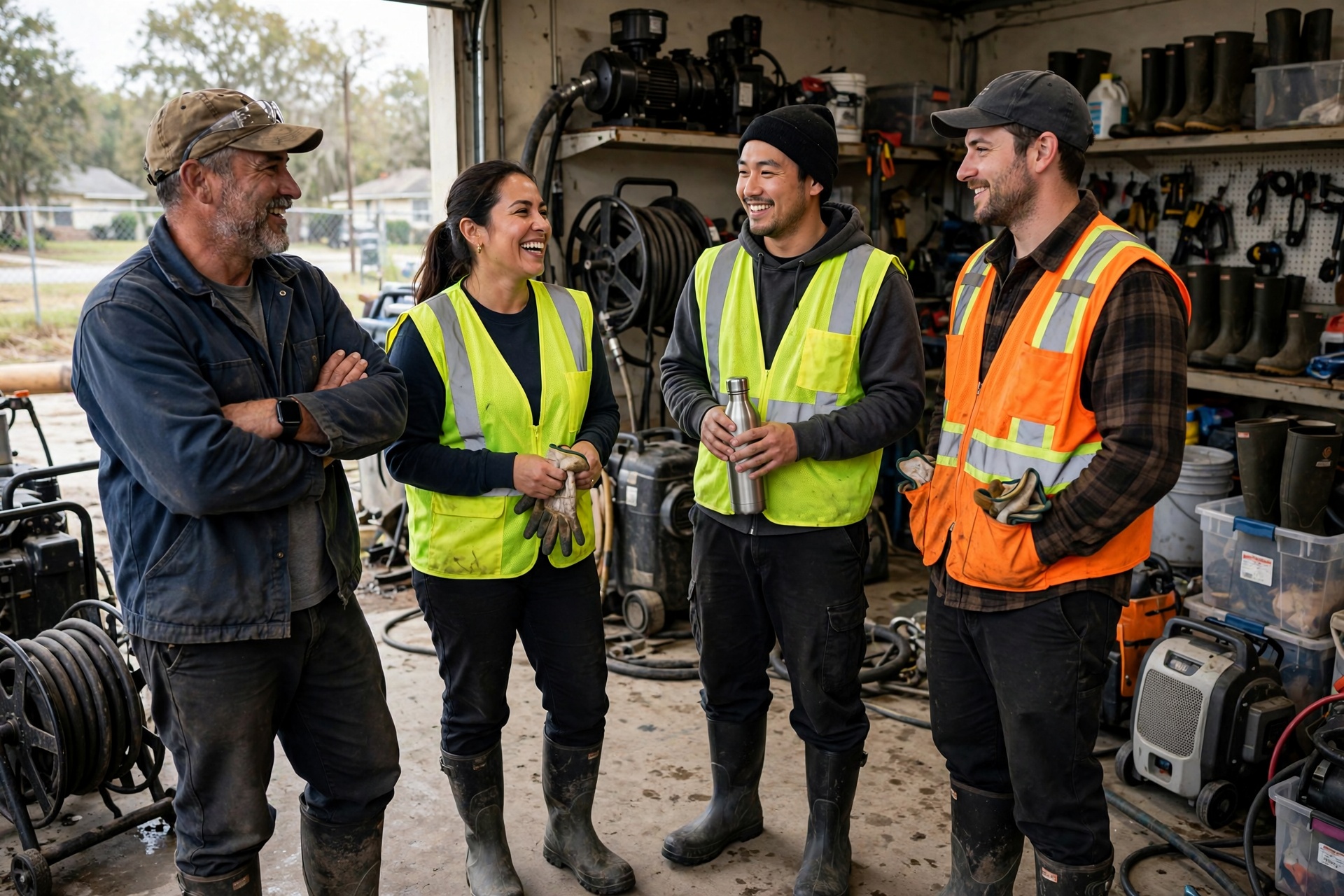
Rooted In DeSoto Since Day One
Sewage Cleanup And Backup Removal Built For Dallas County Homes
We run our crews from 917 N Hampton Rd in DeSoto and answer calls around the clock for sewage cleanup and sewage backup removal. Our trucks stay loaded for the older housing stock found throughout Downtown DeSoto and North DeSoto, where clay soils and aging lines often send backups into basements after summer storms.
The humid subtropical weather here brings heavy rains even in mild winters, and those downpours push water through cracked pipes faster than in drier parts of the county. We see the same patterns when we cross into Dallas, Duncanville, or Cedar Hill, so our teams carry extra extraction equipment sized for the larger lots and slab foundations common in these neighborhoods.
When a call comes from near the DeSoto Recreation Center or Moseley Park, we already know the quickest routes and the typical access points behind those homes. That local map in our heads keeps response times short and keeps us from tearing up finished yards that homeowners just put back together after the last storm.
- 24/7 Emergency Service from our DeSoto location means we reach Downtown DeSoto and North DeSoto streets within minutes, not hours
- We know how hot summers and sudden winter rains interact with Dallas County clay soils to create repeat backups in older DeSoto homes
- Our crews work the same neighborhoods near Moseley Park and the DeSoto Recreation Center every month, so we already understand access challenges and drainage patterns
- We also handle sewage backup removal calls in Dallas, Duncanville, and Cedar Hill using the same equipment and local knowledge we use at home
Credentials & guarantees
- ✓24/7 Emergency Service
- ✓Based at 917 N Hampton Rd, DeSoto, TX 75115
Our guarantee
Owner-operated crews respond directly from our DeSoto base to handle sewage cleanup and backup removal in Downtown DeSoto, North DeSoto, and nearby spots in Dallas County, including routes to Dallas, Duncanville, and Cedar Hill, where older housing stock and humid subtropical summers often mean faster soil saturation and more urgent containment needs.