2026-10-19 ·
How Fast Can Dangerous Mold Form After a Wastewater Overflow?
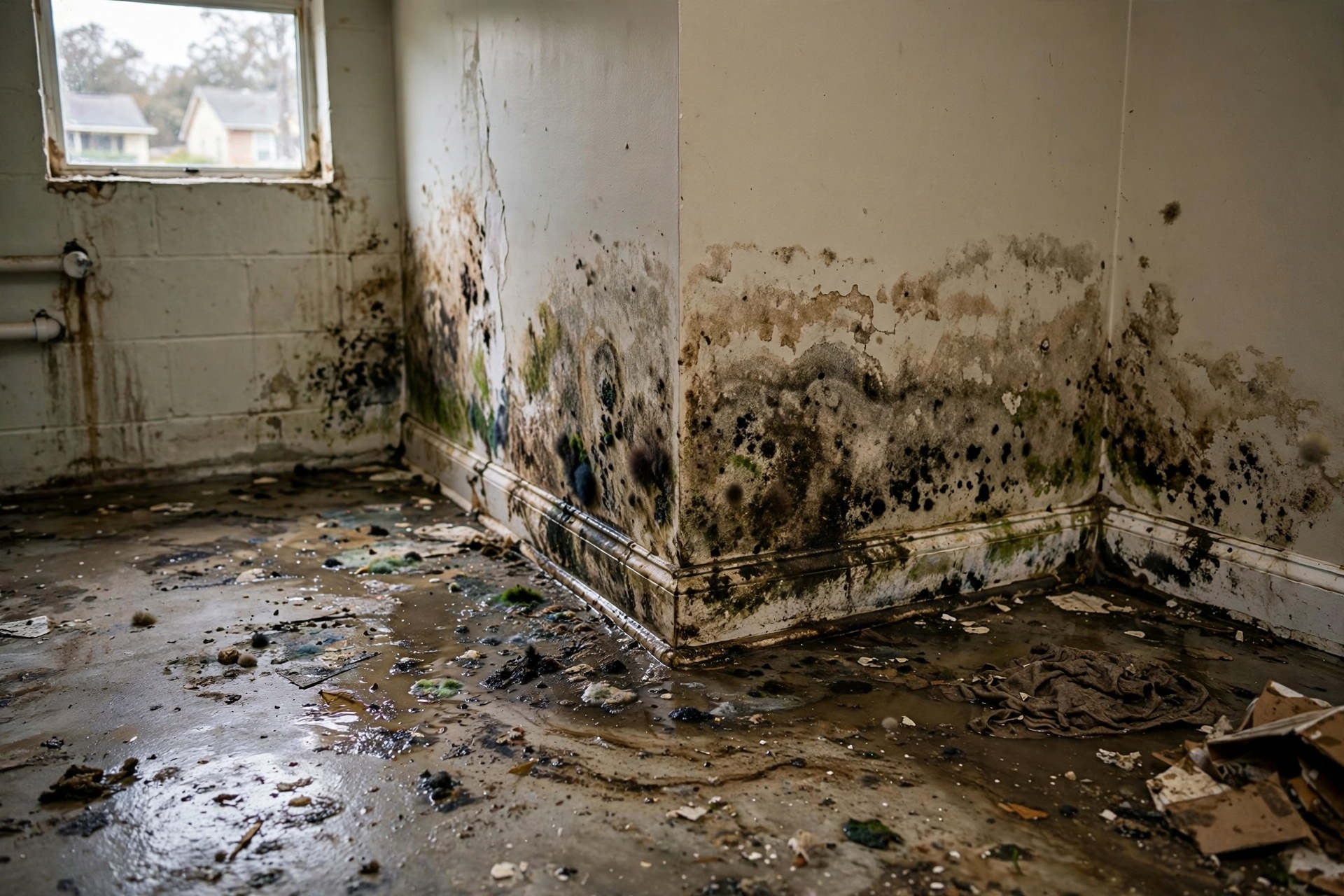
Dangerous mold can begin forming within 24 to 48 hours after a wastewater overflow when moisture, organic material, and warm temperatures combine in DeSoto homes. The humid subtropical climate keeps indoor humidity elevated even during mild winters, allowing spores to colonize porous materials like drywall and carpet padding faster than in drier regions. Homes built on clay-heavy soils near Moseley Park and the DeSoto Recreation Center often experience slower drainage after backups, extending the wet period and increasing mold risk.
Timeline of Mold Development Following Sewage Events
Mold colonies become visible on surfaces within 48 to 72 hours when wastewater saturates materials in Dallas County properties. Black mold species common to the area can produce mycotoxins by day four if temperatures stay above 70 degrees, which occurs regularly during DeSoto summers. In older slab homes along the Hampton Road Corridor, trapped moisture beneath flooring accelerates growth because air circulation is limited. Residents in North DeSoto report visible patches appearing on baseboards within three days when extraction is delayed. Sewage backup cleanup crews note that prompt removal of standing water cuts the initial colonization window by half.
Local Climate and Soil Conditions That Speed Growth
DeSoto's hot summers and frequent humidity spikes push indoor relative humidity above 60 percent for weeks, creating perfect conditions for mold on water-damaged cellulose. Clay soils throughout Dallas County expand during heavy rains and push wastewater back into foundations, leaving hidden pockets of moisture that standard fans cannot reach. Properties near Cedar Hill and Duncanville share the same soil profile and see similar rapid spore germination rates. Mild winter temperatures rarely drop low enough to inhibit growth, so overflows in December or January still produce visible colonies within the same 48-hour window. Structural drying and dehumidification must continue until moisture readings fall below 15 percent to stop the process.
Materials Most Vulnerable in DeSoto Housing Stock
Drywall in homes built before 1990 along Belt Line District absorbs wastewater quickly and supports mold within 36 hours. Carpet padding and particleboard subfloors in Downtown DeSoto residences trap organic contaminants that feed colonies for weeks. Concrete slab foundations common in Frost Farms and Elerson Ranch neighborhoods hide moisture beneath the surface, allowing growth on the underside of flooring that homeowners cannot see until odors appear. Signs of a broken sewer line beneath a concrete slab foundation often accompany these hidden mold issues after overflows.
Immediate Steps to Interrupt Mold Formation
Extract all standing wastewater within the first four hours using professional equipment rated for black water. Remove and discard saturated porous materials such as carpet and insulation before the 24-hour mark. Apply EPA-registered disinfectants to remaining surfaces followed by targeted drying that maintains negative air pressure. Homeowners in Candle Meadow and Thorntree who follow this sequence report no visible mold even after major events. Sewage disinfection and sanitization performed by local crews targets the specific bacteria and fungi prevalent in Dallas County wastewater.
When to Call for Professional Assessment
If visible mold appears before extraction or if moisture readings remain elevated after 48 hours, professional evaluation prevents widespread contamination. Properties near the DeSoto Postal Annex that sit on low-lying lots often require extended dehumidification cycles due to poor natural drainage. How North Texas clay soil and heavy rains trigger sewer backups in DeSoto explains why repeated events in the same location increase long-term mold risk. Continuous monitoring with moisture meters ensures hidden pockets do not restart the 24-hour growth clock.