2026-10-19 ·
What Homeowners Can Salvage (and Must Discard) After Contaminated Water Ingress
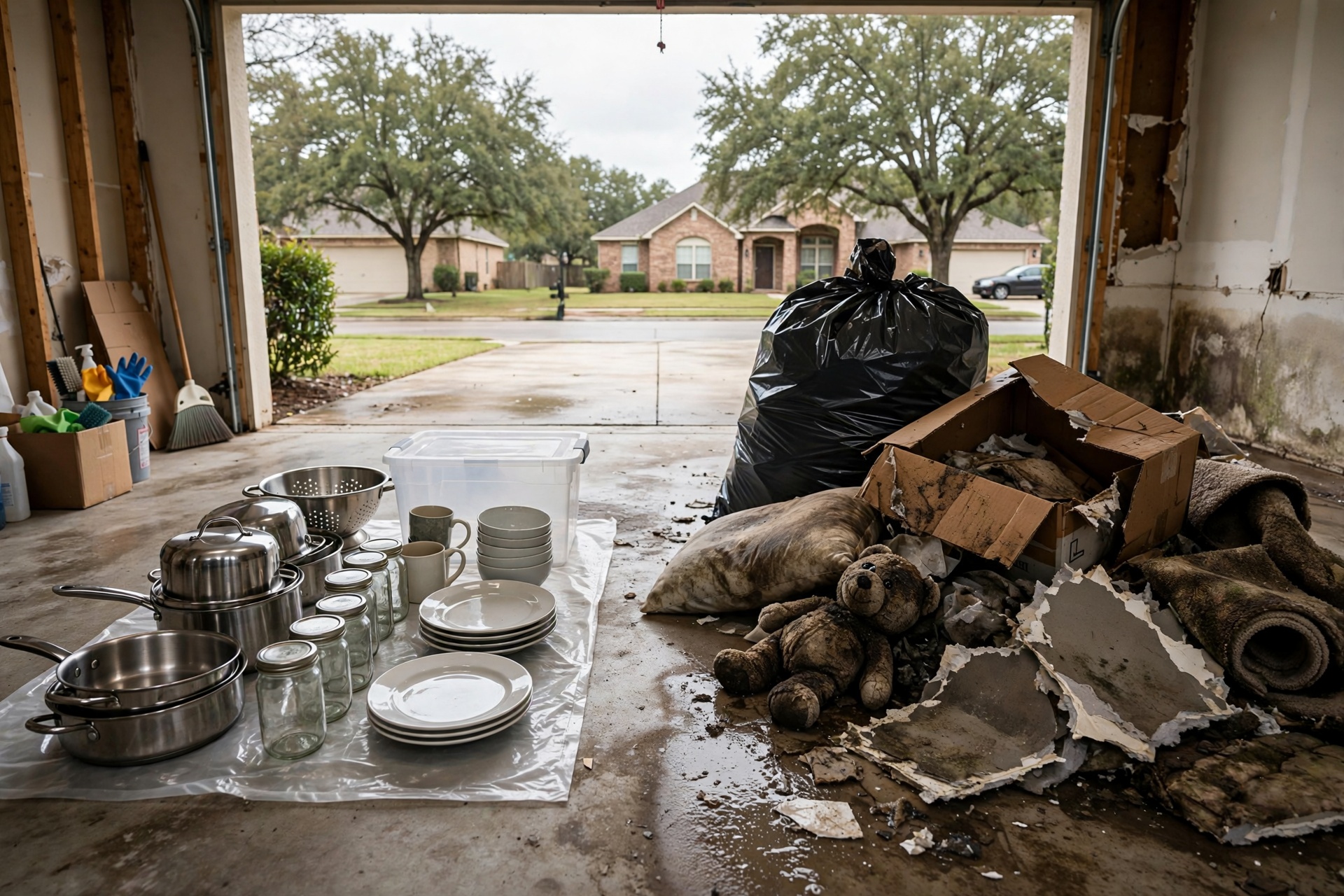
After sewage backup in DeSoto homes, porous materials such as carpet, drywall below the water line, and insulation must be discarded while non-porous surfaces like tile, sealed concrete, and metal fixtures can often be salvaged with thorough cleaning. This distinction comes from direct experience handling black water events across Dallas County neighborhoods where moisture lingers.
Porous Materials That Require Removal
Carpet and pad absorb sewage and cannot be restored once saturated, especially in older homes common throughout Downtown DeSoto and North DeSoto. Drywall cut at least 12 inches above the water mark must come out because mold roots travel upward in the humid subtropical climate that brings hot summers and mild winters. Insulation, particleboard cabinets, and upholstered furniture follow the same rule because trapped contaminants create long-term health risks. Homeowners in areas near Moseley Park or the DeSoto Recreation Center often face these losses after heavy rains push water through clay soils that swell and press against foundations.
Hard Surfaces That Can Usually Be Saved
Tile, vinyl, sealed hardwood, and concrete floors withstand sewage when cleaned and dried within 48 hours using professional extraction. Metal appliances and porcelain fixtures respond well to disinfection because their non-porous surfaces prevent deep penetration. In homes along the Hampton Road Corridor, crews frequently restore kitchen and bath surfaces this way after addressing the source of the backup. The key step is removing standing water immediately so secondary damage does not set in during DeSoto's warm, humid periods.
How Local Soil and Weather Change the Job
North Texas clay soil expands during heavy rains and forces sewer lines to shift, increasing backup frequency in DeSoto compared with nearby Dallas, Duncanville, or Cedar Hill. Mild winters keep soil moisture high year-round, so contaminated water stays in contact with building materials longer than in drier regions. This reality means more drywall and subfloor removal in slab homes built on expansive clay. How North Texas clay soil and heavy rains trigger sewer backups in DeSoto explains the pattern many local properties experience.
Professional Steps for Assessment and Disposal
Technicians begin with moisture mapping and contamination testing to decide exact cut lines on affected materials. Contaminated material removal follows strict protocols that separate salvageable items from those headed for disposal. Sewage disinfection and sanitization then treats remaining surfaces before drying equipment runs. Homeowners receive clear documentation listing every discarded item so insurance claims move forward without delay.
When to Call for On-Site Guidance
Any sewage event in DeSoto requires immediate response because bacteria multiply quickly in the area's humidity. Contact 24/7 Emergency Service at 917 N Hampton Rd, DeSoto, TX 75115 for assessment that protects both the structure and occupants. Early decisions on salvage versus discard limit the scope of work and reduce overall disruption to daily life.